





Prayers to the Sacred Heart
- Consecration Prayer to the Sacred Heart of Jesus
- Litany of the Sacred Heart of Jesus
- Novena to the Sacred Heart of Jesus
- Enthronement of the Sacred Heart of Jesus in the Home
About Holy Hours
- How do I make a Holy Hour?
-
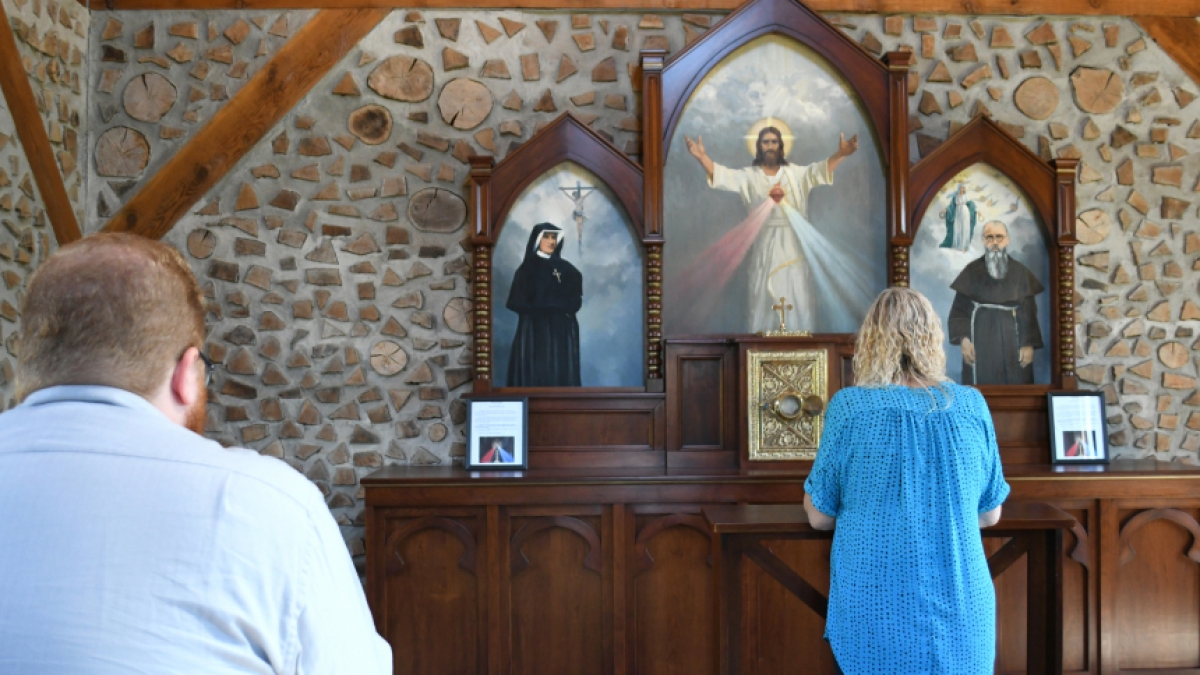
A Holy Hour is a dedicated time of prayer in the presence of the Blessed Sacrament. Catholics believe that the Holy Eucharist is the Body, Blood, Soul and Divinity of Jesus Christ. Praying where the Blessed Sacrament resides allows for a closeness to Jesus.
Praying a holy hour with the Blessed Sacrament can happen in any Catholic church where the Holy Eucharist is preserved in the tabernacle.
Dividing your Holy Hour into four (4) 15 minute periods is recommended.
- First 15 minutes: Adoration. Realize WHO is present in the Holy Eucharist in Body, Blood, Soul, and Divinity.
- Second 15 minutes: Repent, express sorrow, and make reparation for your sins.
- Third 15 minutes: Meditate and pray, offering up your petitions and intercessions.
- Last 15 minutes: Give thanksgiving for all that God has done and for the prayers he will answer in His own timing.
- What is an indulgence?
-
An indulgence is what we receive when the Church lessens the temporal (lasting only for a short time) penalties to which we may be subject even though our sins have been forgiven.
The Bible indicates some punishments are eternal, lasting forever, but others are temporal. We normally focus on the eternal penalties of sin, because they are the most important, but Scripture indicates that temporal penalties are real.
When someone repents, God removes his guilt (Isa. 1:18) and any eternal punishment (Rom. 5:9), but temporal penalties, including purgatory, may remain.
God uses the Church when he removes temporal penalties. This is the essence of the doctrine of indulgences. The members of the Church became aware of this principle through the sacrament of penance. From the beginning, acts of penance were assigned as part of the sacrament because the Church recognized that Christians must deal with temporal penalties, such as God’s discipline and the need to compensate those our sins have injured.
In the early Church, penances were sometimes severe. But the Church recognized that repentant sinners could shorten their penances by pleasing God through pious or charitable acts that expressed sorrow and a desire to make up for one’s sin.
The Church associates certain pious practices with indulgences for the remittance of the temporal penalties for sin, such as spending 30 minutes in Eucharistic Adoration, praying a Rosary in a community, or spending 30 minutes reflecting on Sacred Scripture.
Source: Catholic Answers
- How do I receive an indulgence for going to Eucharistic Adoration?
-
To gain a plenary indulgence (full remission offered only once a day) during your visit to the Adoration chapel, you must:
1. Visit the Blessed Sacrament for Adoration at least for a half hour.
2. Be in the state of grace.
3. Have the interior disposition of complete detachment from sin,even venial sin.
4. Have sacramentally confessed your sins within several days before or after you visit the Blessed Sacrament (one sacramental Confession suffices for several plenary indulgences).
5. Receive the Holy Eucharist within several days before or after you visit the Blessed Sacrament.
6. Pray for the intentions of the Pope (an “Our Father“ and a “Hail Mary“ are suggested).
- How do I track my Holy Hours?
-
Log your Holy Hours using this form and they will be added to the count above!
About Works of Mercy
- What are the Works of Mercy?
-
According to the Catechism of the Catholic Church, works of mercy are “charitable actions by which we come to the aid of our neighbor in his spiritual and bodily necessities.”
The Church identifies seven corporal works of mercy:
- Feed the hungry
- Give drink to the thirsty
- Clothe the naked
- Shelter the homeless
- Visit the sick
- Visit the imprisoned
- Bury the dead
and seven spiritual works of mercy:
- Counsel the doubtful
- Instruct the ignorant
- Admonish the sinner
- Comfort the afflicted
- Forgive offenses
- Bear wrongs patiently
- Pray for the living and the dead
The works of mercy care for the whole person — body and soul — who is made in the image and likeness of God. The United States Catholic bishops encourage the faithful to ground their works in faith and prayer as a continual reminder that, “in tending to our brothers and sisters, we tend to Christ himself.”
The works of mercy are inherently active, calling us to be the hands and feet of Jesus to those we encounter.
- What are some Corporal Works of Mercy that I can do in my daily life?
-
In addition to opportunities at your parish, you can find a list of local organizations to serve here.
Feed the hungry:
- Donate to a food pantry
- Bring dinner to a family or friend in need (lost job, new baby, illness, shut-in, etc)
- Pay for the meal of a person behind you in a drive through
- Invite someone who lives alone for dinner
- Cook a meal for your family
Give drink to the thirsty:
- Keep bottled water in your car to share with those experiencing homelessness
- Joyfully offer up to Christ your dreary job of cleaning up toddler spills
- Get drinks for your children at a meal
Clothe the naked:
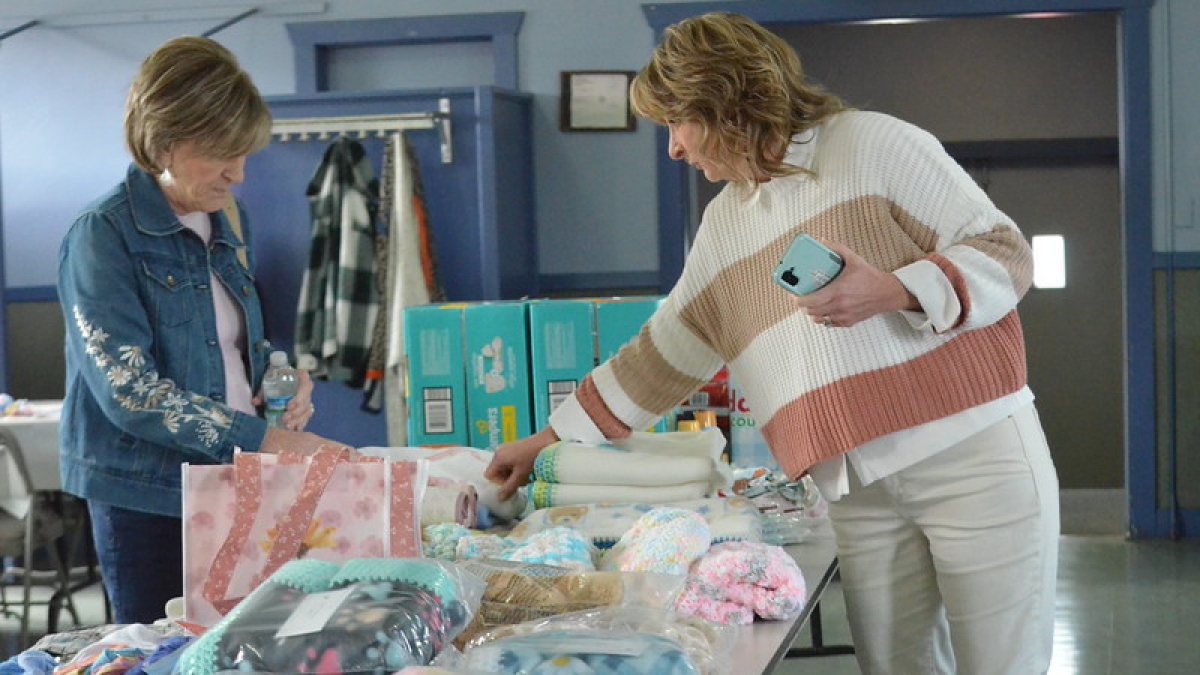
- Donate clothing your used but nice baby clothing to a mom in need
- Buy a pack of socks for a homeless outreach ministry
Shelter the homeless:
- Keep handwarmers to share with those experiencing homelessness in winter
- Keep some $5 bills handy in your car to give to those on the street asking for help
Visit the imprisoned:
- Contact a local Catholic deacon who ministers at a prison to see what he might need for his ministry
- Look to the homebound in your parish and offer to visit them
- Pray regularly for the prisoners and correctional officers
Care for the sick:
- See if an elderly neighbor needs help with their yardwork
- Visit with a homebound parishioner or neighbor
Bury the dead:
- Attend the funeral of someone that didn't have many family or friends
- Bring food to a family after a funeral
- Send a sympathy card to the family in your parish who has lost someone this year
- Visit the grave(s) of your loved ones and pray for them
- What are some Spiritual Works of Mercy that I can do in my daily life?
-
Instruct the ignorant:
- Teach your children the Faith and take them to Mass
- Join your parish's OCIA team
- Invite someone back to Mass
Counsel the doubtful:
- Be ready to give good reasons for your faith by improving your own knowledge
- Share how God has worked in your own life during a difficult time
Admonish the sinner:
- Engage in respectful conversation with someone who needs to know Christ better
- Gently challenge gossip or uncharitable speech with friends
- Encourage a friend to return to the sacrament of confession
Bear wrongs patiently:
- Don't be eager to start an argument defending yourself over petty things
- Stay calm when criticized unfairly
- Offer inconveniences and frustrations to Jesus without complaining
Forgive willingly:
- Pray an Our Father slowly, asking Our Lord for help in forgiving someone who has hurt you
- Pray for someone who has hurt you
- Refuse to speak badly about someone who has wronged you
Comfort the afflicted:
- Write a card to those grieving the loss of a loved one
- Actively listening to those who are hurting
- Check in on someone who is struggling with anxiety, grief, or loneliness
Pray for the living and the dead:
- Pray the rosary for a deceased person or offer a Mass intention
- Offer a Plenary Indulgence for the poor souls in Purgatory (easiest: 1. Pray a rosary in church or with someone. 2. 30 min of Eucharistic Adoration. 3. Read and meditate on the Bible for 30 min. 4. Walk and pray the Stations of the Cross) Along with the usual requirements of Holy Communion, Confession, Prayers for the Pope's intentions, and detachment from sin.
- How do I track my Works of Mercy?
-
Submit your works of mercy through this form and they will be added to the count above!