Candlemas is a Christian festival on Feb. 2 commemorating the occasion when the Virgin Mary, in obedience to Jewish law, went to the Temple in Jerusalem both to be purified 40 days after the birth of her son, Jesus, and to present Him to God as her firstborn.
The festival was formerly known in the Roman Catholic Church as the Purification of the Blessed Virgin Mary and is now known as the Presentation of the Lord. In the Anglican church, it is called the Presentation of Christ in the Temple. In the Greek church, it is called Hypapante (meeting), in reference to Jesus’ meeting in the Temple with the aged Simeon and the prophet Anna.
The earliest reference to the festival is from Jerusalem, where, in the 4th century, the Western pilgrim Egeria attended its celebration on Feb. 14, 40 days after Epiphany (then celebrated as Christ’s birthday), and wrote about it in the Peregrinatio Egeriae. It soon moved back to Feb. 2 (40 days after Christmas).
By the middle of the 5th century, the custom of observing the festival with lighted candles had been introduced, and the name Candlemas developed from this custom. In the Western church, Pope Sergius I (687 – 701) instituted the festival in Rome. In the East, it is primarily a festival of Christ. In the West, it was primarily a celebration of the Virgin Mary until the calendar reform of 1969.
This day commemorates when Simeon famously cradled the child Jesus and proclaimed him a “light for revelation to the Gentiles.” This imagery of Christ as the “Light of the World” defines the day’s rituals, specifically the tradition of blessing a year’s supply of candles for churches and homes.
Candlemas occupies the seasonal midpoint between the winter solstice and the Spring equinox. Because of this, it has long been a day of transition and prediction. For traditionalists, Candlemas is the true deadline for removing Christmas greenery. In medieval lore, any holly or ivy left up after this date risked bringing ill fortune to the house.
Across the globe, the day is celebrated with foods that mirror the returning sun. In France, families feast on round, golden crepes resembling the sun, symbolizing the return of warmer days. In Latin America, this day is celebrated as Dia de la Candelaria, often featuring processions and communal meals of tamales. And of course, the American groundhog, Punxsutawney Phil. But the core belief remains: a sunny day (causing a shadow) means six more weeks of winter.
So celebrate the Presentation of the Lord well. Spring is coming and the Light of Christ hopefully grows stronger in our hearts.
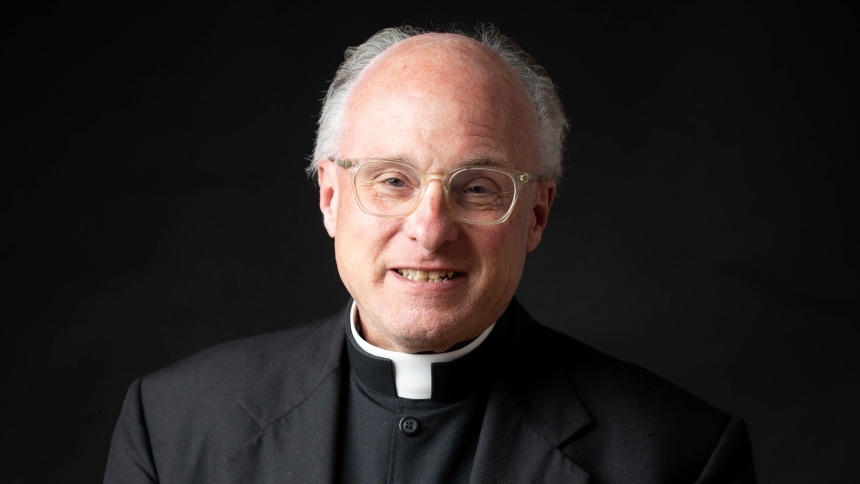
Father Plavcan is the pastor of St. Patrick in Chesterton and administrator of St. Ann of the Dunes in Beverly Shores. He also serves as the vicar of clergy for the Diocese of Gary.